Brought to you by The Sound Post Ltd
Mayflower Farm, Codford St Peter, Warminster, Wiltshire, BA12 0NS
Tel. 44 0 1985 851122 Fax. 44 0 1985 851188

welcome to myviolin.co.uk
the dedicated resource for the orchestral bowed string family


BEST BOWED INSTRUMENT PRIMAVERA 200 VIOLIN MIA AWARDS
2014




THE HISTORY OF THE VIOLIN
Orchestral bowed strings
What is a bowed instrument?
Bowing (Italian: Arco) is a method used in some string instruments, including the violin, viola, cello, and less commonly, the double bass (of the violin family) and the old viol family.
Are there other bowed instruments?
Ancestors of the modern bowed string instruments are the rebab of the Islamic Empires, the Persian kamanche and the Byzantine lyra. Other bowed instruments are the rebec, hardingfele, nyckelharpa, kokyū, erhu, igil and sarangi. The hurdy gurdy is bowed by a wheel.
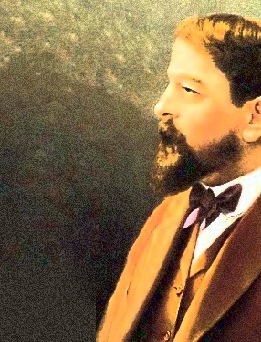
20th Century: Claude Debussy, Arnold Schoenberg, Bela Bartok and Igor Stravinsky.
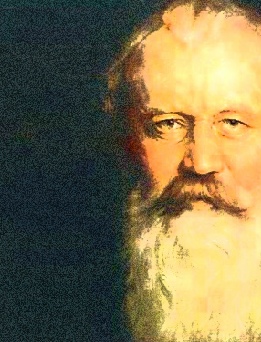
Romantic Period:
Franz Schubert, Johannes Brahms, Felix Mendelssohn, Robert Schumann and Peter Ilyich Tchaikovsky.
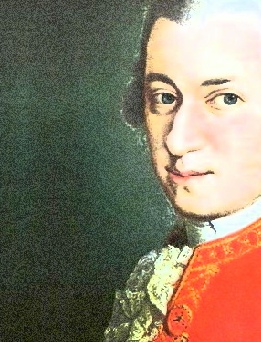
Baroque and Classical Period: Johann Sebastian Bach, Wolfgang Amadeus Mozart and Ludwig van Beethoven
Key Points
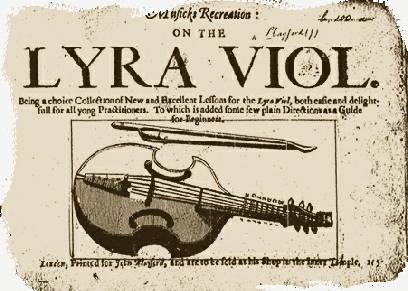
The violin developed from the Lyre. The modern form of the violin was principally designed by Andrea Amati in 16th century Italy.
Did you know?
Stradivari is believed to have created 1,100 violins in Cremona, Italy and 650 are believed to still be in existence.
ORIGINS
Orchestral Bowed Strings
The medieval violin emerged in 10th-
The 'Modern' Violin
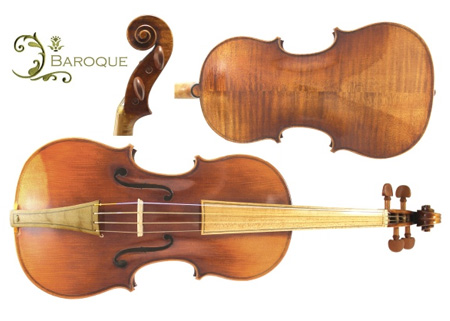
It is Andrea Amati who is the known developer of the violin. Amati apprenticed as a lute maker and in 1525, he became a master instrument maker.
The earliest noted violin makers were Gasparo da Salò and Giovanni Maggini, both Italians, but it is during the 17th and early 18th centuries that the art of violin making reached its peak. The Italians Antonio Stradivari and Giuseppe Guarneri as well as the Austrian Jacob Stainer are most noted during this period. Stradivari was an apprentice to Nicolo Amati, Andrea Amati's grandson.
By the mid-